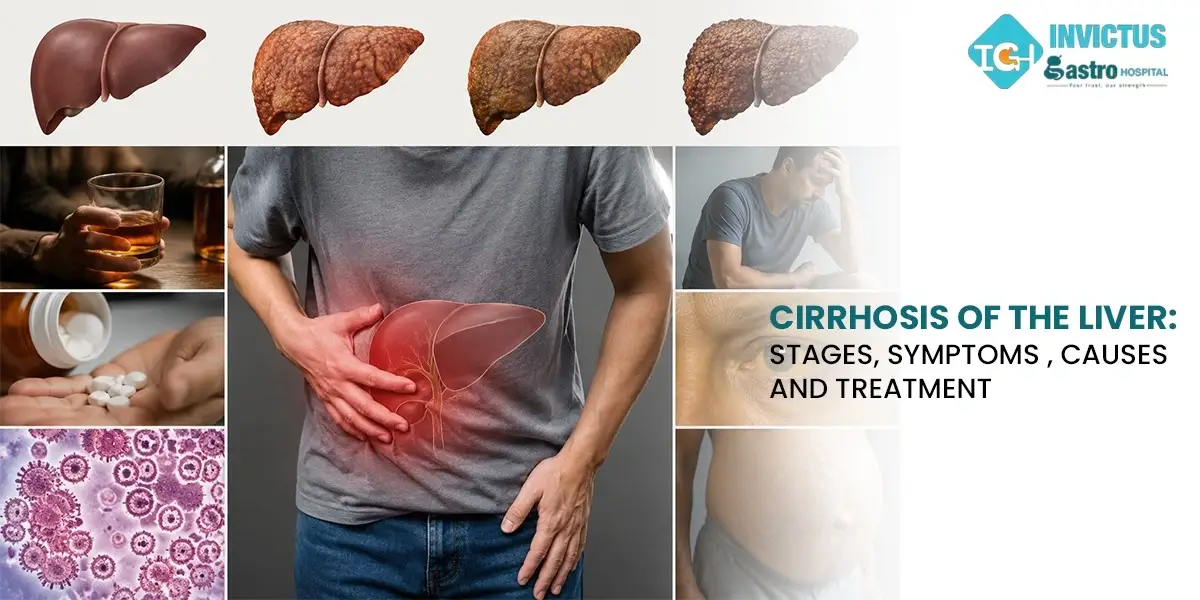
Liver cirrhosis is a condition where healthy liver tissue is gradually replaced by scar tissue. This damage accumulates over years of recurring damage. The more the scarring, the more the liver functions are compromised. The liver is not able to filter the toxins from the blood. It is also more difficult to digest and be immune to.
A lot of individuals show no symptoms at the initial stages. The liver does not stop functioning even when it is internally damaged. Patients or doctors may leave cirrhosis untreated for a long period of time. When liver damage is severe, symptoms tend to manifest. The condition often causes fatigue, swelling, and weakness.
Gastroenterologists can diagnose and treat liver cirrhosis. Early diagnosis is used to prevent additional liver damage. Early detection may enhance better health and life. This blog describes the causes, symptoms, stages, and treatments.
Liver cirrhosis is permanent scarring and hardening of liver tissue. Repeated liver damage causes healthy tissue to form scars. This scarring gradually affects normal liver function over time. It also restricts healthy blood flow through the liver.
The liver performs hundreds of important functions every day. Healthy liver cells store Vitamin A under normal conditions. These cells are called Hepatic Stellate Cells or HSCs. Repeated injury causes these cells to create scar tissue.
Doctors assess liver stiffness using an MR elastogram scan. This scan helps measure the extent of liver damage. Doctors classify cirrhosis by scar size and pattern. The three types of liver cirrhosis are given below:
With long-term liver damage, cirrhosis can gradually develop. The constant injury results in the formation of healthy liver tissue scars. Several medical conditions and lifestyle factors may cause it. In the long term, scarring has a major impact on normal liver functioning.
Alcohol is a toxin that the liver processes daily. Overdrinking affects the liver as it destroys liver cells. Scar tissue is formed due to repeated injury. This can eventually cause cirrhosis of the liver.
Hepatitis B and C result in persistent inflammation of the liver. These infections may take years to become dormant. This leads to persistent inflammation, which over time destroys normal liver tissue. The contemporary antiviral therapeutic options are effective in reducing the course of the disease. Hepatitis C may now often be effectively cured.
There is a possibility of fat accumulating within the liver cells over time. Obesity and high blood sugar mostly cause it. Excess fat causes liver cell damage and inflammation. Serious cases are referred to as MASH or NASH.
Liver cirrhosis can also be brought about by several medical conditions. Wilson causes the accumulation of copper in the organs. The immune system’s attack causes autoimmune hepatitis. Hemochromatosis leads to the overaccumulation of iron. Blocked bile ducts may also cause liver scarring. Genetic diseases, such as cystic fibrosis, can also cause gradual liver damage.
Liver cirrhosis affects the body as the scarring of the liver becomes worse. The symptoms are usually mild in nature and might not be noticed. The symptoms worsen as the condition advances. More severe liver damage may impact various body functions.
These are symptoms that are caused when the liver is not able to perform. With a scarred liver, it is hard to control toxins. It also has an impact on the processing of nutrients and hormones. Production of clotting factors could be greatly inhibited.
Whoever has such symptoms must consult the doctor. Early diagnosis is more precise in diagnosing the condition. Timely treatment can slow down disease progression. It also enhances long-term health and quality of life.
Liver cirrhosis progresses through four distinct stages from initial inflammation to complete liver failure. Doctors use these stages to plan the right treatment at the right time. Understanding each stage helps patients and families make informed care decisions.
Early stages respond well to treatment when the underlying cause is addressed quickly. The MELD score at Stage 3 helps doctors prioritize patients for liver transplant evaluation. Stage 4 carries the most serious outcomes, with Class C patients requiring the most intensive medical support.
Doctors cannot completely remove existing liver scars. Nevertheless, it is possible to prevent additional liver damage through treatment. The primary aim is to cure the root cause. Doctors can treat the liver early to enhance its long-term health.
Some liver infections are treated with antiviral drugs. To protect the liver, it is necessary to avoid alcohol. Support groups can assist people in quitting drinking forever. Weight loss can decrease fatty liver disease. A proper diet helps in overall liver functioning and healing.
Doctors can prescribe medicines to treat the complications of cirrhosis. Beta-blockers serve to reduce the pressure in the portal vein. This minimizes the chances of bleeding internally. Lactulose aids in eliminating bad toxins in the body. It can enhance the confusion brought by liver disease. Diuretics aid in decreasing the presence of excess fluid.
In the worst cases, doctors may require a liver transplant. Surgeons are replacing the damaged liver with a healthy one. This alternative is promising for higher liver disease. It has the ability to enhance survival and quality of life.
Early treatment can delay the disease. When the cause is in check, then the results usually get better. Researchers are still working on new treatments for liver disease. Today, medicine is better than ever. Early diagnosis maximizes the chances of treatment and recovery. Patients are to discuss the treatment options with specialists.
Follow-up visits are crucial to liver health. Blood tests are used to check liver functioning. Doctors can also carry out scans when necessary. These scans aid in diagnosing liver cancer at an earlier stage. Early detection of cancer enhances better treatment and recovery. Regular check-ups are beneficial for long-term health and well-being.