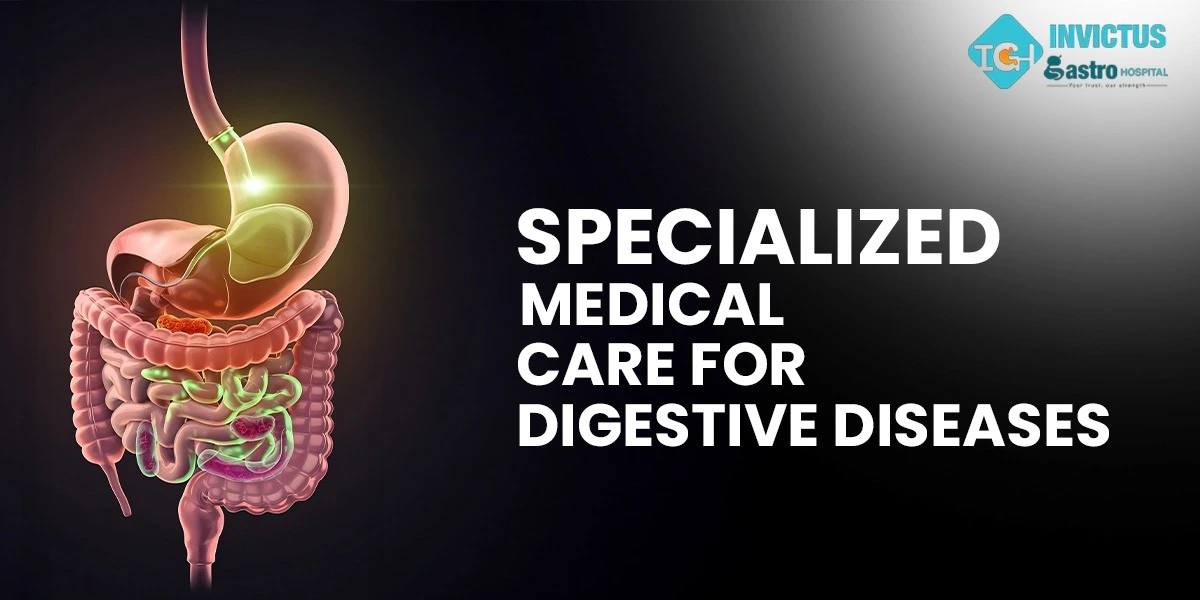
The primary care doctor is the one who offers the much-needed general health care, but when there are complicated symptoms, especially those that involve the digestive system, the attention of a specialist may be required. The gut is not just a digestive center but is at the heart of immunity and well-being.
The digestive system entails the stomach, liver, pancreas, and intestinal glands between the mouth and anus. The numerous components it has imply that any given symptom can be nonspecific but may be severe. Persistent heartburn, unexplained abdominal pain, or changes in bowel habits can signal underlying digestive diseases that require precise diagnosis.
The treatment of these issues is not a matter of general tips, but it demands the specific knowledge of a gastroenterologist. The initial important step in getting to successful treatment and long-term health is being able to know when to approach that specialist.
Consider the digestive tract a highly sensitive production line. The esophagus and stomach, the liver, pancreas, and intestines are some of the multiple organs that collaborate to break the food down, absorb nutrients, and eliminate waste effectively.
When such a system is broken in the body, clear messages are sent. The typical symptoms are chronic heartburn, bloating, stomach pain, or bowel movements in the form of constipation or diarrhea. Some instances of discomfort are quite usual, but when the problems recur, there is likely an underlying imbalance.
It is essential to realize these indicators. They are how your body is telling you that something needs to be taken care of; it is a signal directing you to a much-needed check-up with digestive problems. The very first step in proactive digestive health is to listen to these cues.
Gastroenterology is the branch of medicine that deals with the whole digestive system, which includes the well-being and operation of the digestive organs, including the esophagus, stomach, intestines, liver, pancreas, and gallbladder.
Practically, a gastroenterologist deals with the digestive system of the body, including the manner in which food is digested, the absorption of food, and how the system eliminates waste. They diagnose and treat a broad range of diseases, including the simple cases such as acid reflux, irritable bowel syndrome (IBS), and more complicated illnesses such as hepatitis, pancreatitis, and colorectal cancer.
For comprehensive care of these digestive health concerns, consulting a recognized specialist like Dr. Ishan Shah, a leading best gastrologist doctor in Ahmedabad, ensures access to expert diagnosis and tailored treatment plans for both common and complex gastrointestinal conditions.
A gastroenterologist is a specialist in the digestive system. A physician will refer you when your primary care doctor observes that you have a persistent symptom that needs to be further investigated. The gastroenterologist is the detective of your gut; with the help of sophisticated equipment and procedures, he will find the exact response.
Their major operation is the diagnostic process, such as endoscopies and colonoscopies. Through these tests, they are able to inspect the GI tract through visual body inspection, conduct biopsies, and sometimes cure some of the diseases immediately. As they are above average in medical diagnosis and non-surgical care, they do it together with the surgeons in cases requiring an operation, like the best gastro-surgeon in Ahmedabad, in the case of complicated procedures.
Conditions They Diagnose and Treat:
To manage these conditions effectively, one needs a specialist such as Dr. Ishan Shah. He makes certain of holistic care- accurate diagnosis up to the coordination of treatment, be it medical or surgical.
When the discomfort of the digestive system prompts treatment, it is sometimes difficult to understand when and when not. Although some complications are natural, repeated symptoms may signify the existence of a problem that requires the assessment of a specialist. The first step of successful treatment is the ability to understand these major indicators.
Occasional, mild stomach pains are normal among most people; however, frequent and intense pain that interferes with normal life is an indication of a serious problem. Long-term abdominal pain may be referring to ulcers, inflammatory bowel disease, or gallbladder disease, and all these need to be accurately diagnosed.
More than twice a week is not normal aging or mild indigestion. It can be gastroesophageal reflux disease (GERD), wherein the stomach acid destroys the esophagus. GERD causes serious complications that require the care of a specialist if left untreated.
Never ignore blood. While often from hemorrhoids or fissures, it can also indicate polyps, colitis, or other significant conditions. A gastrologist in Ahmedabad can determine the source and rule out serious causes like colorectal cancer.
Acute and inexplicable changes in bowel habits, such as new constipation, diarrhea, or alternating between the two, are direct messages that your gut is sending. They can show food intolerances, infections, or chronic diseases like IBS.
The presence of pain or the feeling that something is lodged in the throat (dysphagia) needs to be evaluated. It may result from strictures, esophagitis, or other conditions requiring an endoscopic examination.
The foundation of good digestive health lies in the day-to-day habits. These are basic steps to ensure that your system is running well and to avoid the occurrence of frequent problems.
The goal is 25-30 grams of fiber per day through the consumption of fruits, vegetables, whole grains, and legumes. Fiber helps to cause regular bowel movements and maintain a healthy gut environment.
Digestion and absorption of nutrients depend on hydration. Take water (sip) during the day to avoid constipation and aid in general GI activity.
Take your time, chew your food. This easy routine becomes beneficial in the digestive process and in making you aware of fullness indicators before you overeat.
Add such foods as yogurt, kefir, and fermented vegetables to introduce helpful bacteria into the gut. Probiotics are beneficial to microbiome homeostasis and intestinal health.
Exercise accelerates bowel perforations. A moderate exercise of 30 to 45 minutes most days is the goal to help establish regularity.
Chronic stress has a direct impact on gut performance. Deep breaths, meditation, or a walk can be used with great success to make digestion comfortable.
Fatty foods reduce the rate of digestion and cause acid reflux. Reduce these effects by using lighter cooking, baking, or steaming.
Eat at least 2 -3 hours before sleep. Before going to bed, it is important to take time to digest to reduce the risk of reflux.
Preventive care is crucial. Regular consultations with a specialist, such as Dr. Ishan Shah, a renowned gastro surgeon in Ahmedabad, allow for early detection and management of potential issues.
The two habits are irritating to the GI tract and may result in ulcers or reflux. Their reduction or removal significantly enhances digestive health.