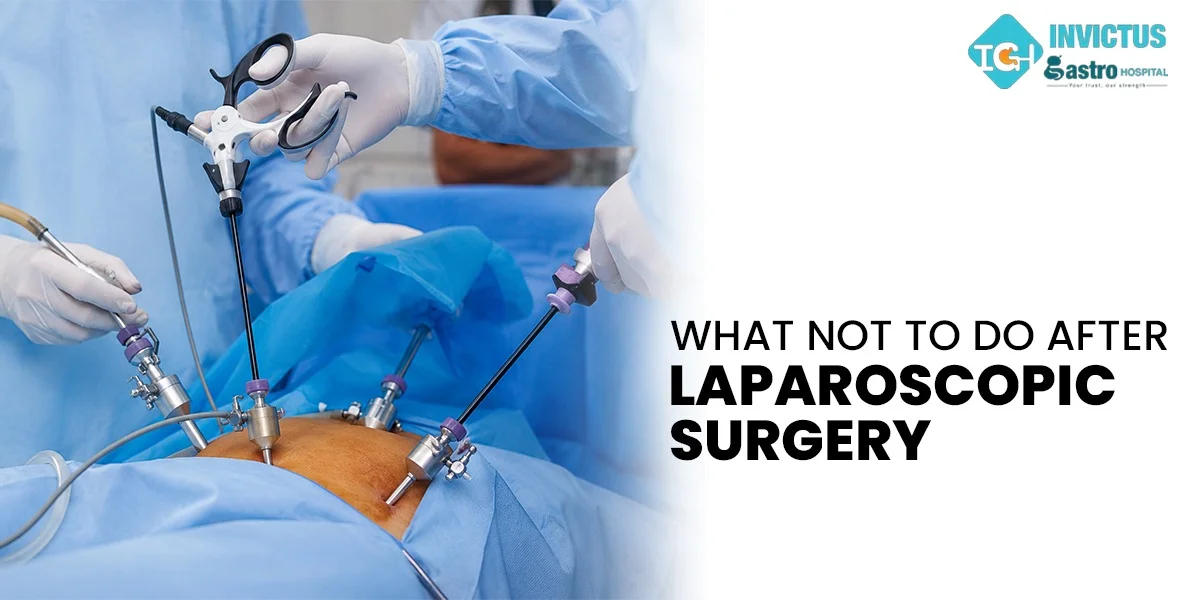
Laparoscopic surgery takes a few hours.
It takes weeks to recover, and most patients do not realize what can go wrong once they leave the hospital. This is what this guide is here to fill in.
Most patients are familiar with post-surgical instructions. There are very few people out there who know what not to do following laparoscopic surgery. Failure to rest, consume the proper food, or ignore the initial signs of trouble can cause you to recover much more slowly. There are actual consequences for little mistakes made in the first week.
This guide is for anyone who is getting ready for laparoscopy surgery. It is extremely important to know what not to do, and your body will heal as it should.
Laparoscopic surgery is indeed surgery, and you experience the same trauma as during any other surgery, except that the incisions are not as large. Rest and regeneration of muscles, and your body does its best internally. It takes a while & rest.
Do not lift heavy items for 2-4 weeks. There is stretching of the belly muscles, and the sites of the incisions are still healing. Do not lift too soon, as it could result in a hernia and could open up wounds.
Short, slow walks from Day One is not only good for recovery but also safe. Any activity that puts strain, such as running, going to the gym, or whatever, should be postponed for at least four weeks. Your surgeon will advise you as to when you are ready.
More than most people realize, pain medications slow down your reaction time. Direct pressure on the abdomen from a sudden brake or sharp turn. Wait 1-2 weeks before driving; only do so with a doctor’s note.
One week should be adequate for a desk job. A physical job requires a minimum of 4 weeks. You would be surprised at how sitting for long periods at a quiet desk can impact your posture, your sleep, and your healing.
Your digestive system slows down post-laparoscopic surgery. It can take time to come to and stay in its normal state. How easily and fast that is directly depends on what you eat and drink in the first few weeks. This diet after the laparoscopic surgery will help in the process of healing and energize the body.
There will be some pain and discomfort, which is normal as a result of the laparoscopic surgery, in the next few days, including some bloating, pain, and tiredness. But some symptoms need immediate attention. The following are what to observe when you are recovering.
An unusually high temperature (over 38°C) that occurs after 24 hours requires urgent medical help. It usually indicates an infection at the place of surgery. Contact your surgeon immediately; do not wait for it to clear up on iinternal ts own.
If the pain is more severe after 48 hours, it may mean there is bleeding within or an infection, or there is an issue at the repair site. This requires a medical review on the same day. Don’t treat it with additional painkillers without your doctor’s advice.
Healthy healing is indicated by clean and dry incision sites. Redness, pus, or worsening swelling around any wound is a sign of infection. Get it checked out by your physician within 24 hours of detection.
Light nausea during surgery is a common effect of anesthesia. Persistent nausea that extends beyond 48 hours and vomiting are indications of a digestive complication. Report to your surgeon before it progresses.
If, after laparoscopic surgery, the patient complains of chest pain or shortness of breath, it is an emergency symptom. These may be a sign of a pulmonary embolus (blood clot in the lungs): Immediately proceed to the closest emergency room.
The misconceptions following laparoscopic surgery are the most prevalent causes of the delay in recovery that are not supposed to happen. Patients tend to make choices that are influenced by their emotions as opposed to what their bodies require. One minor misjudgment regarding resting, eating, or taking medications can mean days or even weeks of recovery time. These are the most prevalent misunderstandings that stand in the way.
Laparoscopic surgery is an internal surgery performed to repair the tissue, which can take 2-4 weeks to stabilize. The skin heals up sooner than the layers below. The risk of herniation, wound dehiscence, and internal bleeding exists if activity is resumed before the closure of that window.
Medications for pain control help to relieve inflammation that continues to exist under the skin. Stopping it too early will give that inflammation time to get worse and hinder sleep and the healing of tissue.
The post-operative complications—infection, internal bleeding, and formation of hernia—can often be found in the early stages without symptoms. If the appointment is missed, they have no clinical review to take them in check before they reach the next level.
Smoking impedes circulation to the parts of your body that are healing. The less blood supply, the fewer oxygen and nutrients get to the surgical site. This will increase your risk of infection and set you back in terms of recovery time.
Medications for pain slow down intestinal movement, and it is not uncommon to experience constipation. The pressure you put on your tummy during a poop applies pressure to your tummy incisions and the area of surgical repair. Bring it up to your surgeon at your next visit so that it can be dealt with early.
There is a typical time course to recovery after a laparoscopy. Familiarity with the normal parameters for each stage will help in recognizing when medical attention is required.