-
Posted By Dr. Ishan Shah
-
-
Comments 0
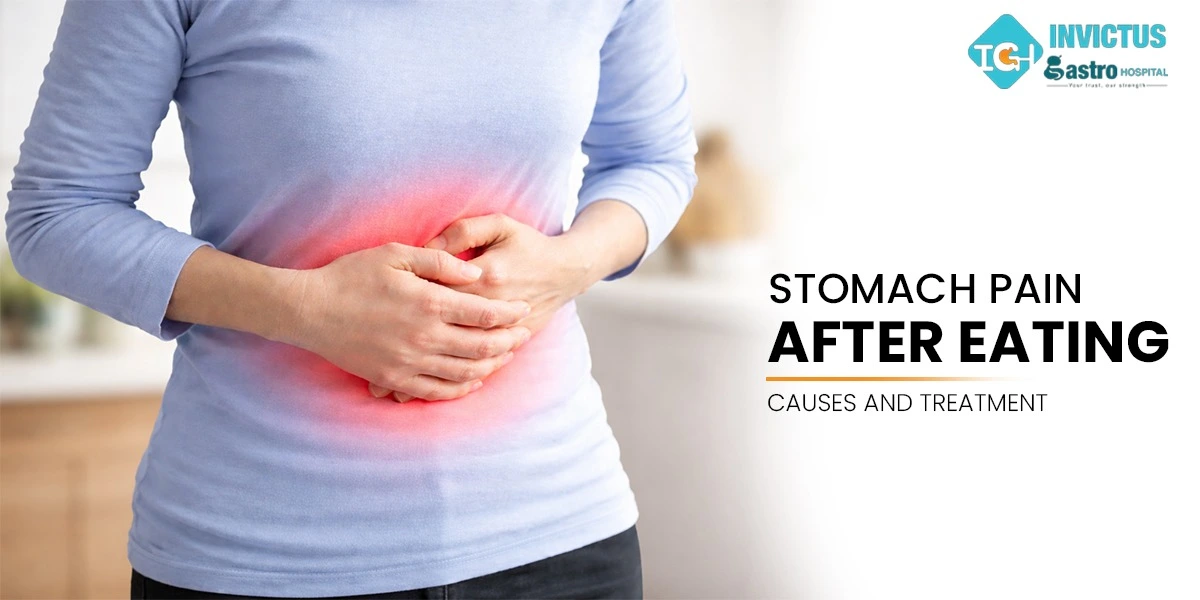
You are enjoying your meal, and within a few minutes, the pain strikes. That acute cramp or low pain derails your evening and turns you to seek answers. You are not in the cycle of frustration alone. The first step in relief is knowing the exact stomach pain causes. It is not simply a matter of indigestion; it is a matter of listening to what your body is telling you when it digests.
We will walk through the common triggers, from dietary choices to underlying medical conditions, and explore practical treatment options.
Let’s uncover the root of your pain so you can enjoy meals again without the fear of what comes next.
What Is Stomach Pain? Defining the Discomfort
Stomach pain is pain or discomfort that is experienced in the abdomen, the space between the chest and the pelvis. To people, it is usually referred to as tummy pain, belly pain, abdominal ache, or stomach ache. This occurs immediately after eating a meal, and we term it as abdominal pain after eating.
This pain is different in individuals. It can be:
- Mild or severe: Sharp ache as opposed to incapacitating pain.
- Acute or chronic: Sharp cramping vs. a dull ache that can persist for hours.
- Sensation variable: Sharp, dull, burning, or cramping.
The exact position of the pain and its feel make us locate the cause. Location matters a lot. The pain in the upper abdomen usually indicates the stomach or gallbladder. Reduced pain tends to affect the intestines. This information, plus other symptoms, will give your healthcare provider a clear picture.
The 5 Types of Stomach Pain
Not all pain feels the same. The specific sensation you experience offers valuable clues about what happens inside. By identifying your pain type, you can better understand the root cause of your stomach pain after eating.
Sharp or Stabbing Stomach Pain
This pain arrives suddenly and feels intense. It often stops you mid-bite.
- May indicate trapped gas moving through the intestines
- May indicate appendicitis, kidney stones, or gallstones in case of severe and persistent pain.
- Get emergency attention in case the pain prevents you from standing upright.
Dull or Aching Stomach Pain
Mild, persistent pain in the background. It does not put you in your tracks, but it will not entirely disappear.
- Ordinary with indigestion, gastritis, or constipation.
- In many cases, it has a direct connection with food and eating patterns.
- Usually responds to dietary manipulations.
Cramping Stomach Pain
This is the tightening/squeezing in your stomach. It usually comes in waves.
- Ordinary bloating, diarrhea, or IBS.
- Comes in and out of the day.
- May worsen immediately after meals.
Burning Stomach Pain
Specific burning pain that is usually in the upper abdomen. It feels like fire in your gut.
- Typically, due to acidity, acid reflux, or stomach ulcers.
- Gets worse frequently after consuming spicy or oily food.
- The antacids often offer a short-term effect.
Chronic Stomach Pain
The pain takes weeks or months to clear instead of resolving fast. It is a routine in your life.
- Can link to IBS, chronic gastritis, ulcers, or food intolerances
- Needs a good medical assessment to determine the cause.
- Requires a long-term management strategy, not temporary solutions.
When to Look Beyond the Meal: Key Symptoms
Some symptoms signal you to visit the doctor immediately. Do not ignore them.
- Blood in the stool signs: When you vomit blood or black vomit, then it might be a sign of bleeding in the stomach. In case of black or tar-like stool, it is also a sign of severe bleeding.
- Systemic changes: Without effort, you can lose weight, which can indicate that your body is unable to absorb food. A fever above 100°F and pain are indicators of an infection.
- Bowel and bladder changes: Observe persistent diarrhea of over five days. Increased frequency of urination or going to the bathroom can be indicative of a urinary issue and not just a stomach infection.
- Physical changes: When bloating or swelling persists over a few days, it may indicate fluid retention or obstruction. The chest pain requires urgent treatment. Wait, to see whether it goes away.
- Other red flags: difficulty swallowing, which complicates eating. The long vaginal bleeding could also be due to a gynecological issue that brings about pain in the pelvis. In case you suffered some injury or got into an accident, it may include an internal injury.
Prevention: Your First Line of Defense
Prevention is the best approach. Even the basic routines will help you immensely when it comes to digestive distress. Consider these as gut maintenance.
Smart Eating Habits
What you eat is as important as how you eat. These changes to mealtime have an instant effect.
- Eat slowly: Do not eat till full. This is a mere practice that lowers the levels of indigestion and bloating.
- Choose smaller meals: Prefer small portions of food during the day to huge feasts. This avoids excessive congestion of your digestive system.
- Identify trigger foods: Spicy, fatty, or richly processed meals are usually annoying to sensitive stomachs. Know your own triggers and prevent them.
Lifestyle Adjustments That Work
In addition to the plate, the digestion depends on your daily routine. Consistency here pays off.
- Stay hydrated: Take lots of water during the day. Hydration helps in digestion and averts constipation.
- Move your body: Light exercise enhances digestion and avoids bloating. A daily walk works wonders.
- Limit alcohol and caffeine: These irritate the stomach lining. Overuse causes acid reflux or exacerbation of the ulcers.
Gut Health and Hygiene
It is important to be careful of protecting your digestive system against threats, both internally and externally.
- Incorporate probiotics: Fermented foods and yogurt keep the gut flora healthy. A healthy microbiome implies a reduction of digestive problems.
- Wash hands regularly: Good hygiene decreases bacterial or viral stomach infections. This is a simple measure that helps in averting several diseases.
- Manage stress: Deep breathing or meditation. Stress has direct effects on digestion, causing abdominal pain.
When to See a Doctor
Most stomach pain resolves on its own. Slight gas and pains during meals typically settle over time or with home remedies. Some symptoms require a doctor. It is better to know which ones to keep you safe.
Red Flags That Require Immediate Care
Listen to your gut. When something is so wrong, seek help immediately.
- Severe pain: Intense or persistent belly pain that fails to improve with home remedies requires the doctor.
- Spreading pain: This could indicate a heart attack when the pain radiates to the chest, back, or shoulders.
- Breathing or swallowing issues: Any kind of pain that causes difficulty in breathing or swallowing demands emergency treatment.
- Blood in vomit or stool. This is something that needs to be investigated by the medical fraternity.
- Jaundice. The yellowing on the skin or eyes represents issues with the liver or gallbladder.
- History of family gastrointestinal or cancer. Genetics is also a major factor; communicate the same to your doctor.
Symptoms Accompanying the Pain
See what happens to you when you get a stomachache after eating. One can attribute this issue to these hints.
- Bleeding signs: When you vomit up blood or have tar-black bowel movements, call the doctor immediately.
- High fever: Pain with a temperature over 100°F usually signals an infection.
- Unexplained weight loss: A lot of weight loss without effort is a sign that something is wrong.
- Abdominal changes: You notice swelling or sharp tenderness that can indicate blockage or infection.
Ongoing Concerns
Chronic issues rarely resolve without intervention. Persistent symptoms deserve proper evaluation.
- Chronic discomfort: Suffering that persists or recurs and inhibits you in everyday tasks requires evaluation.
- Bowel changes: Persistent diarrhea or constipation causing severe pain requires treatment.
- Pregnancy-related pain: Pregnant women experiencing abdominal pain require obstetric treatment at once.
Conclusion
You don’t have to live with the uncertainty of pain in stomach after eating food. Understanding your specific symptoms, like simple gas and stomach pain after eating or complex digestive issues, starts the process. The next step requires partnering with a specialist who provides answers
For residents of Ahmedabad, Dr. Ishan Shah offers that expertise. As a gastroenterologist with over a decade of experience, he specializes in diagnosing the exact causes of post-meal discomfort and providing targeted, effective treatment.
Take control of your digestive health today. Let an expert help you enjoy meals again, without fear of what comes next.
Recent Comments
No comments to show.