



- Posted By Dr. Ishan Shah
-
- Comments 0

Getting the surgery talk from your doctor is never fun. Whether it’s a hernia that’s been bothering you for months, a gallbladder that’s decided to act up, or some other digestive trouble, one thing usually happens next you grab your phone and type “best gastro surgeon near me” into Google. Sound familiar?
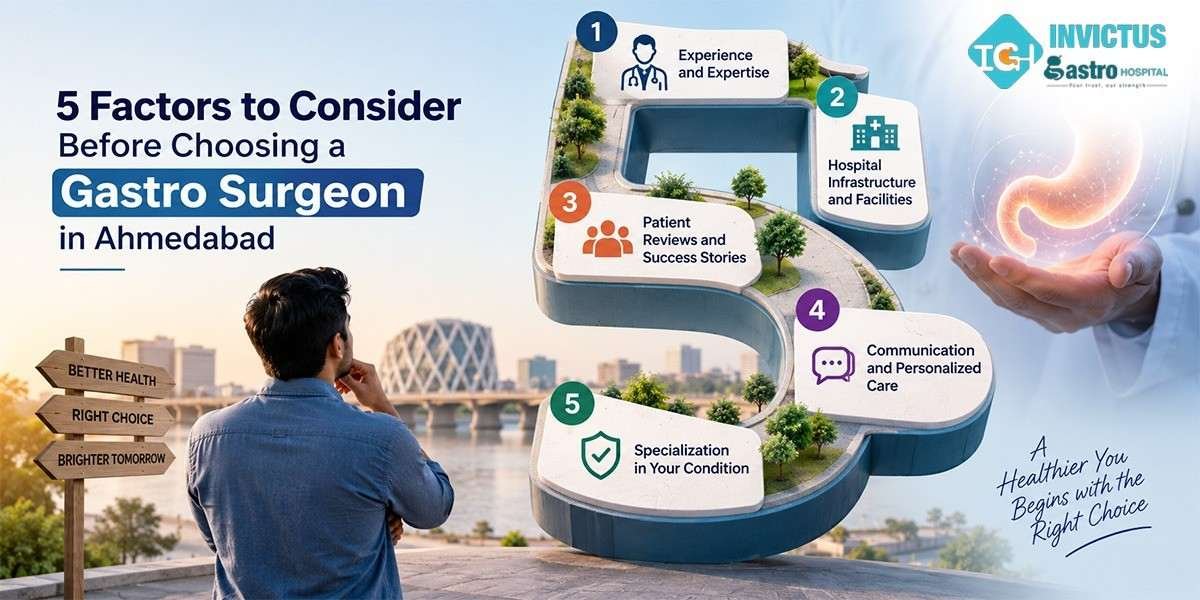
Look Past the Fancy Diplomas (Check the Real-World Experience)
Every single doctor you meet is going to have framed degrees hanging on their wall. But gastrointestinal surgeons? That’s a huge, incredibly complex area. We’re talking about everything from your food intake to your intestines with liver, gallbladder, and pancreas.
Sure, a general surgeon might tackle a bit of everything. But when it’s your body on the operating table, you probably don’t want a jack-of-all-trades. You want the person who does your exact procedure all day, every day.
Don’t just nod gastro surgeon in ahmedabad” Dig a little deeper and ask the slightly uncomfortable questions:
How much of your practicing period has actually been focused exclusively on GI surgeries?
Do you do this GI surgery every week, or is it more of an occasional thing?
Have you successfully treated people with my exact medical background?
Are you totally comfortable handling things if my case gets complicated?
Think about it this way: a doctor could easily have 20 years of general experience, but maybe they’ve only done your specific surgery a handful of times. That matters! When you’re looking around Ahmedabad, you need to zero in on a surgeon’s actual track record with your specific issue. For instance, Dr. Ishan Shah’s background is built specifically around focused GI procedures which means you actually have a tangible track record to look at, rather than just trusting a generic “surgeon” title.
Ask Which Surgical Approach Actually Makes Sense for You
Surgery today isn’t a one-size-fits-all affair. Not every surgery needs to be “open you up and go in” anymore. Depending on what’s actually wrong, laparoscopic or minimally invasive surgery might be on the table. Smaller cuts. Less pain. Usually a faster recovery too.
Sounds like an easy choice, right? Not quite.
Truth is, this option isn’t for everyone. Your anatomy might not cooperate. Your medical history could rule it out. Sometimes the condition itself is just too complicated for a scope and a few small incisions to handle safely. So don’t walk in assuming minimally invasive is the automatic upgrade because it isn’t, not for every case.
The better move? Just ask. Ask your surgeon why they’re picking the approach they’re picking. A good one will actually explain it not brush you off with “trust me.”
A consultation that’s actually doing its job should walk you through:
- Whether surgery is even needed in the first place
- What non-surgical alternatives are there
- Which technique fits your case and why
- The realistic risks and benefits involved
- What recovery will actually look like
- What kind of follow-up care you’ll need afterward
For more complicated GI issues, you may also benefit from a team that combines surgery with medical management and endoscopic diagnosis rather than relying on one specialist alone. The point isn’t to chase the fanciest technology available it’s to find a surgeon who knows when a particular technique is actually warranted, and when it isn’t.
Remember: The Surgeon Isn’t Operating Alone
It’s easy to focus entirely on the individual surgeon and forget that they’re just one part of a much bigger picture. The hospital, the surgical team, the anesthesia support, the nursing staff after the operation all of it shapes your actual experience, especially if something doesn’t go exactly to plan.
Before you finalize anything, it’s worth finding out:
- What the operation theatre and equipment are actually like
- Whether there’s solid anesthesia and critical-care backup on hand
- How strong the diagnostic and imaging support is
- What happens in an emergency
- How closely you’ll be monitored after surgery
- Whether specialists are available if complications come up
This matters even more for procedures involving organs like the liver, pancreas, or intestines, where things can occasionally get complicated mid-treatment. Facilities like Invictus Gastro Hospital are worth visiting, not just for the surgeon’s credentials but for the surrounding infrastructure the operation theatre setup, post-op monitoring, and overall support system that starts the moment surgery ends. In short: judge the whole surrounding , not just the name on the board
Pay Attention to How Clearly They Explain situation
Wrong opinion or advice can turn an already stressful situation into a confusing one. A good surgeon should be able to break down what’s happening to you in plain language not talk over your head and expect you to nod along.
During your visit , notice whether you actually feel comfortable asking things like:
- What particularly is wrong with me?
- Is surgery really urgent, or can it wait?
- Are there other alternatives besides surgery?
- What actually happens during the procedure?
- What could go wrong?
- How long is recovery?
- What will I not be able to do afterward?
- How does follow-up care look?
If you walk out of a consultation more confused than you already is , that’s worth noticing. A good conversation should feel like a two-way street not a rushed recommendation followed by a scheduling form. This is especially true when you’re comparing multiple “top” surgeons in Ahmedabad: the one who actually takes time to explain your diagnosis and set realistic expectations is often a better sign than the one with the flashiest online presence.
Forget About Finding the “Best” Surgeon Find the Right One
Let’s be honest: there’s no such thing as a “best” gastro surgeon who’s perfect for anyone . A doctor who’s excellent at a routine gallbladder removal surgery isn’t automatically the right doctor to handle a complicated liver or pancreatic case. Different problems call for different treatment.
So try not to get pulled in by flashy ads or whoever ranks first on Google. Look at the actual picture instead do they have real, hands-on experience with your specific issue? Is the hospital set up to back them up if things get complicated? And maybe just as important: do they treat you like a patient with an actual life outside this diagnosis, or does it feel more like you’re being moved through a schedule? Your situation is your own, so the surgeon you choose should match what you actually need not just whoever comes up first when you search.
Why This Choice Actually Matters
Your digestive organs do a lot of quiet, unglamorous work every day, and once you’re facing surgery, the decisions made along the way genuinely stick with you in how you recover, and in how confident you feel about the whole process. A good specialist doesn’t just get you through the operation and move on. They explain what’s actually going on, talk you through your options honestly, and help you know what to expect once you’re home and recovering.
The surgeons worth choosing tend to think past the hour or two in the operating room. They’re paying attention from the diagnosis, through the planning, right into the follow-up weeks afterward.
So don’t rush the decision. Sit down for a proper consultation, ask the questions that are actually bothering you, and if the case is complex or feels like a big deal (because it probably is), get a second opinion. There’s no downside to being sure.
Questions to Bring to Your Consultation
It helps to walk in prepared. A few worth asking:
- What’s your specific area of focus for GI surgery?
- How much practice do you have with a case like mine?
- What strategy and options do I actually have?
- Would minimally invasive surgery work for my problem?
- What are the real risks here?
- Exactly where the surgery takes place?
- What kind of precaution will I need afterward?
- How long will it take to recover?
- How should I prepare beforehand?
- What does the follow-up schedule look like?
These aren’t just formalities the answers will tell you a lot about both the surgeon and what you’re actually signing up for.
About Dr. Ishan Shah and Invictus Gastro Hospital
For anyone exploring GI surgical care in Ahmedabad, Dr. Ishan Shah’s practice spans a wide range of gastrointestinal conditions the stomach, intestines, liver, gallbladder, pancreas, hernias, and laparoscopic procedures among them. Invictus Gastro Hospital provides the surrounding infrastructure for this kind of specialized care, from diagnostics through post-surgical recovery. When finding your options, it’s worth looking at each surgeon’s individual expertise and the hospital’s overall approach.
conclusion
Don’t let a single ad, or star rating make this decision for you. Look instead at overall qualifications, true experience with your own condition, the surgical techniques they offer, the hospital’s support staff and maybe most importantly how clearly the surgeon interacts with you.
Take the time to ask doubts, understand your alternative , and choose based on what your body really needs. The right surgeon won’t just hand you the recovery plan they’ll give you the clarity and composure to make the right decision about your own health.
Timely Asked Questions
1. How do I decide the best gastro surgeon in Ahmedabad?
Look at their qualifications, practice with your specific procedure, surgical method, hospital staff, and how well they communicate.
2. What does a gastro surgeon actually treat?
Conditions across the digestive track stomach, intestines, gallbladder, liver, pancreas, esophagus, rectum, and everything related organs.
3. Is laparoscopic surgery always the best option?
No, It depends on your specific problem, anatomy, any prior check ups , and how complex the procedure is. Your surgeon should be able to explain which approach fits your case.
4. Should I get a second opinion before gastro surgery?
Yes, for anything major or complicated, it’s often worth it. A second opinion can highlight alternatives you hadn’t considered and help you feel more settled in your decision.
5. What should I ask during my first visit?
Your diagnosis, the options available, the recommended procedure, the risks involved, what recovery looks like, the hospital’s facilities, and the surgeon’s experience with cases like yours.


Recent Posts
- Questions to Ask Before Choosing a Laparoscopic Surgeon in Ahmedabad
- 5 Factors to Consider Before Choosing Best Gastro Surgeon in Ahmedabad
- Liver Transplant Success Rate in India: What Patients Should Know
- How Poor Sleep Affects Your Digestive System
- Piles Surgery Cost in Ahmedabad: What Determines the Price
