Abdominal pain can have many causes, but persistent or worsening pain especially in the lower-right abdomen needs prompt medical assessment. One possible cause is appendicitis, an inflammation of the appendix that can become serious without timely treatment.
For patients considering laparoscopic appendix surgery in Ahmedabad, the immediate questions are usually practical: How is the operation performed? What might it cost? How soon can normal activities resume? The answers depend on whether the appendix is simply inflamed or has ruptured, the patient’s health, and the treatment required.
This guide explains the procedure and the questions to discuss with your surgeon. If you suspect appendicitis, seek urgent medical care rather than waiting for a routine appointment or comparing treatment packages. Early assessment helps reduce the risk of complications.
What Is Laparoscopic Appendix Surgery?
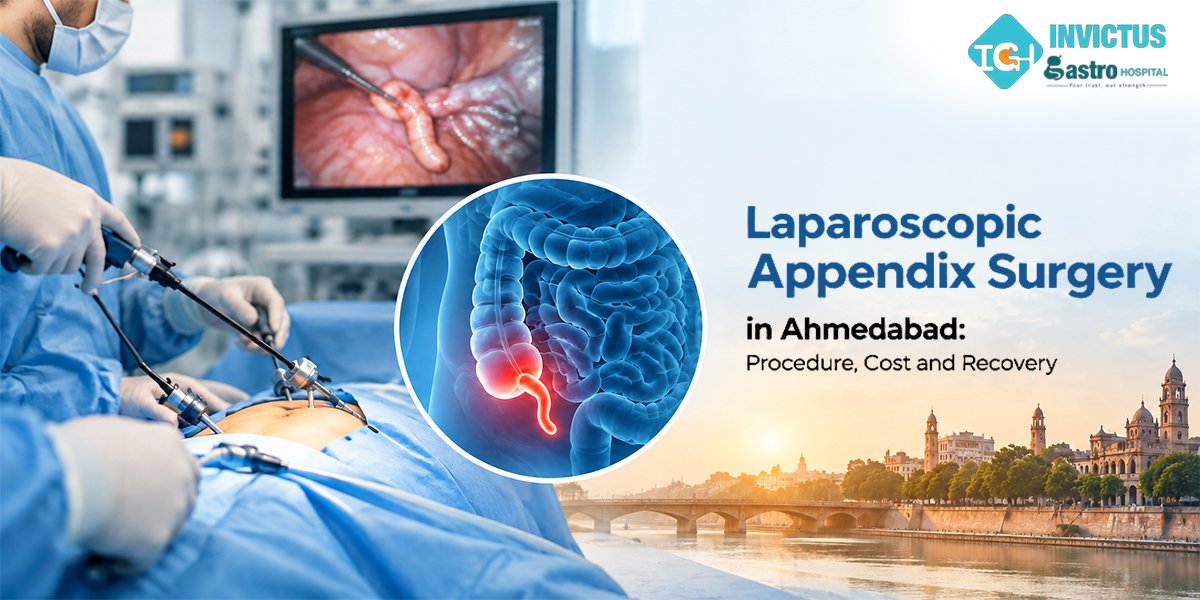
Laparoscopic appendix surgery, medically called laparoscopic appendectomy, removes the appendix through small abdominal incisions. The appendix is a narrow pouch attached to the large intestine, usually located in the lower-right abdomen.
During keyhole surgery, the surgeon uses a camera called a laparoscope and specialised instruments to remove the appendix. An open appendectomy uses a larger incision instead. Both approaches treat appendicitis; the appropriate method depends on the findings and the patient’s condition.
Compared with open surgery, laparoscopy generally offers smaller scars, less postoperative pain, and a shorter hospital stay. These advantages do not guarantee an identical experience for every patient, particularly when infection has spread beyond the appendix.
Symptoms That Need Prompt Medical Attention
Appendicitis often causes pain around the belly button that later moves towards the lower-right abdomen. The pain may worsen with movement or coughing. Other symptoms can include loss of appetite, nausea, vomiting, fever, constipation, or diarrhoea. However, symptoms do not always follow this pattern. Children, older adults, and pregnant patients may experience different symptoms or pain in a different location.
Seek urgent assessment for worsening abdominal pain, particularly when accompanied by vomiting or fever. Severe pain spreading across the abdomen, confusion, or difficulty breathing requires emergency attention. A brief reduction in pain does not reliably mean the problem has resolved; pain can change when the appendix ruptures.
How Is Appendicitis Diagnosed?
The doctor begins by asking when the pain started, where it is located, and whether there are associated symptoms. A physical examination helps assess abdominal tenderness and signs of irritation. Blood tests can identify inflammation or infection, while urine testing helps investigate other possible causes, such as urinary infection or kidney stones. A pregnancy test may also be appropriate.
An ultrasound, CT scan, or sometimes MRI can help confirm the diagnosis and identify complications. The choice depends on factors including age, pregnancy, examination findings, and the information needed. Ultrasound is often used first in children and pregnant patients. No single symptom or blood-test result provides the complete answer. Diagnosis brings together the history, examination, and investigations.
Laparoscopic Appendix Surgery Procedure
Before the Operation
The surgical and anaesthesia teams review your medical history, allergies, medicines, and previous operations. Tell them about blood thinners, diabetes medicines, supplements, and any possibility of pregnancy.
Follow the hospital’s instructions about eating, drinking, and medicines. If you have already eaten before an emergency admission, tell the team when and what you consumed. They will plan your care accordingly. Treatment may include intravenous fluids, pain relief, and antibiotics. Before consent, ask why surgery is recommended, whether laparoscopy is suitable, and what complications might change the plan.
During the Operation
Laparoscopic appendectomy is performed under general anaesthesia, so you are asleep during surgery. The surgeon makes small incisions and introduces carbon dioxide into the abdomen to create working space.
A camera provides a view of the appendix on a monitor. Surgical instruments are used to separate and remove it through an incision. The surgeon also assesses the surrounding area and manages contamination or infection when necessary. The incisions are then closed. An appendectomy often takes around an hour, although complicated cases can require more time.
When Might Open Surgery Be Needed?
Sometimes the surgeon starts laparoscopically and changes to an open operation. This may be necessary because of difficult anatomy, extensive inflammation, bleeding, or concerns about safely completing the procedure. Conversion is a clinical decision made to protect the patient. A ruptured appendix does not automatically rule out laparoscopy, but the extent of infection can affect the approach.
Can Appendicitis Be Treated Without Surgery?
Surgery remains the standard treatment, but selected patients with uncomplicated appendicitis may be offered antibiotics after assessment. This requires a clear discussion about whether treatment might fail or appendicitis might return.
An abscess or inflammatory mass around the appendix can require a different sequence of care. Antibiotics and drainage may be used first, with further treatment decided after the infection settles. These options depend on imaging and clinical findings. They are not a reason to take leftover antibiotics or postpone assessment at home.
What Is the Appendix Surgery Cost in Ahmedabad?
There is no single fixed appendix surgery cost in Ahmedabad. As a broad budgeting reference, one local surgeon’s published guide lists laparoscopic appendectomy at approximately ₹45,000–₹1,00,000.
This is an indicative advertised range, not a verified citywide tariff or a quotation from Dr. Ishan Shah. Emergency admission, a ruptured appendix, additional treatment, or a longer hospital stay can increase the final bill.
What Should a Written Estimate Include?
Ask the hospital whether the quotation includes surgeon and anaesthesia fees, operating theatre charges, laparoscopic instruments and consumables. Check the room category and number of days covered, along with scans, blood tests, antibiotics and discharge medicines.
Clarify how the estimate changes if surgery becomes open or the stay is extended. Ask whether review appointments and dressing changes are included. A useful estimate states its assumptions and exclusions. For example, a package for uncomplicated appendicitis may not cover drainage of an abscess or several extra days of treatment.
Questions About Insurance
Ask the hospital billing team and insurer whether the admission is eligible for cashless treatment and what approval is required. Confirm room eligibility, co-payments, deductibles, and excluded expenses. Keep copies of the estimate, reports, discharge summary, and invoices. Financial enquiries should take place alongside care and should not delay urgent treatment.
Appendix Surgery Recovery Time
Recovery depends on the surgical approach, the severity of infection, and your overall health. Returning to light activities is different from being ready for heavy lifting or strenuous exercise.
In Hospital
After surgery, staff monitor your breathing, pulse, blood pressure, pain, and recovery from anaesthesia. Fluids and food are introduced as appropriate, and the team encourages movement when it is safe. Some uncomplicated laparoscopic cases can go home the same day or the following day. Patients with complications may need a longer stay, antibiotics, or additional monitoring. Discharge depends on clinical readiness rather than a promised date.
Returning to Work and Exercise
Many patients need approximately one to two weeks away from work. A desk-based role may allow an earlier return than a job involving lifting, prolonged standing, or manual labour. Ask your surgeon about driving, gym sessions, lifting children, and occupational duties. Resume driving only when you can control the vehicle comfortably and safely, including performing an emergency stop, and are not impaired by medication. Recovery after a ruptured appendix or open operation generally takes longer. Your discharge instructions should guide activity progression.
Practical Care at Home
Take prescribed medicines as directed and follow the instructions for dressings and bathing. Do not apply creams, powders, or home remedies to an incision without approval. Short walks and gradual movement can support recovery. Avoid strenuous activity and heavy lifting until cleared. Arrange help with shopping, household work, or childcare if these involve physical strain. Follow the team’s advice about meals. Start with foods you tolerate and gradually return to your usual diet. Appendix removal does not ordinarily require a permanent special diet. Before discharge, make sure you understand the medication schedule and have a contact number for postoperative concerns.
Warning Signs After Appendix Surgery
Contact your surgical team promptly if you develop fever of 38°C or higher, or the threshold specified at discharge; increasing abdominal pain or swelling; spreading redness, pus, or worsening drainage from an incision; persistent vomiting or difficulty keeping fluids down; or significant constipation, diarrhoea, or bloating. Seek emergency care for severe breathlessness, chest pain, fainting, or rapidly worsening symptoms. New calf pain or swelling also needs urgent assessment. Do not wait for a scheduled review when symptoms are deteriorating.
Discussing Appendix Treatment With Dr. Ishan Shah
Dr. Ishan Shah’s website describes care for appendicitis using laparoscopic and open surgery. His appendix treatment services in Ahmedabad provide a relevant starting point for patients seeking information about assessment and treatment. During a consultation, ask whether the appendicitis is uncomplicated, why the recommended treatment is suitable, and what recovery restrictions apply to your work. Bring available reports and a current medication list. You can also explore his laparoscopic surgery services to understand the practice’s minimally invasive treatment offering.
Conclusion
Laparoscopic appendix surgery can offer a less invasive approach to appendix removal, but the treatment plan must reflect the severity of appendicitis and the patient’s condition. A clear discussion should cover the procedure, possible changes during surgery, an itemised cost estimate, and personalised recovery instructions.
For treatment enquiries, contact Dr. Ishan Shah’s team to discuss your reports and consultation needs. If you have symptoms suggesting acute appendicitis, seek urgent hospital assessment rather than waiting for an online response.