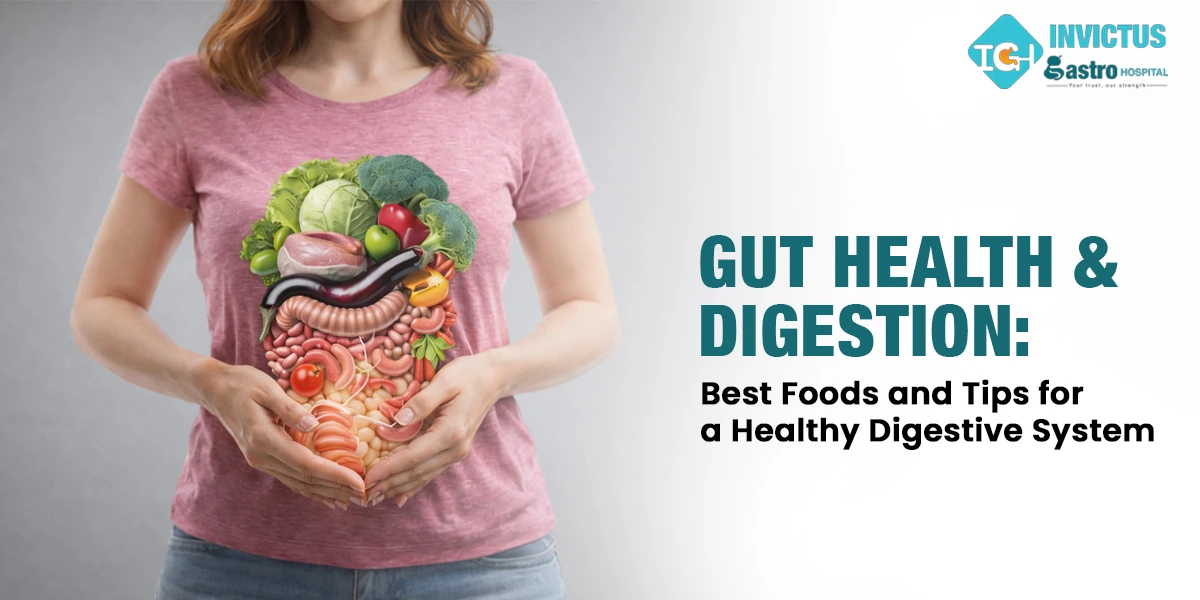
The gut is the command center of your body. It not just digests food, it builds your immunity, energy, and mental clearness. It is referred to as the second brain, and it constantly communicates with your nervous system.
When your Digestive System Health is optimal, you experience vitality. Alternatively, you may have bloating, constipation or weakness. The food you eat greatly affects your mood.
All you need to do is have your gut on your side; make the conscious choices on a regular basis. Include gut-friendly foods and modified habits to develop a healthy and effective digestive foundation. Let’s see how.
Gut health refers to the entire system of your digestive system functioning in a proper state i.e. stomach to the intestines. The microbiome that resides in the gut is a complicated community of bacteria and microbes, which is essentially the gut microbiome.
A normal gut breaks down food, digests nutrients and enhances your immune system. It also has general gastrointestinal health. You are better digested, and steady in your energy, and generally in good health.
When your gut is balanced, you naturally experience better digestion and overall vitality. Imbalance may cause dissatisfaction, fatigue, and other disorders.
Even light digestive pain is a symptom of imbalance, and chronic illnesses should not be ignored. Better digestion is only possible once these problems are spotted.
Acid reflux occurs when stomach acid is retruded to the esophagus leading to a burning sensation. Once it gets common, then it is prone to GERD, which is referable to medical treatment.
IBS relates to cramps, bloating, and alternating diarrhea and constipation. It is usually precipitated by stress, food, or hormones.
The hard and frequent constipation is normally an outcome of low fiber or dehydration. Diarrhea describes loose and watery stool that results from infection, food intolerance, and other related disorders.
Diverticulosis develops minute protrusions in the colonic lining. When they become inflamed or infected, they lead to sharp pain in the abdomen, diverticulitis, and require immediate attention.
A gut-friendly diet is not a diet, but has nutrients that supply good bacteria andhelps the gut to relax, increasing digestion.
These are the top ten foods to include.
Live probiotics in yogurt and fermented foods restore your bowels. Regular consumption can address bloating and normalize stool. Consider the label on the live and active cultures.
Whole grains contain insoluble and soluble fiber, such as oats, barley, and quinoa, among others. This fiber nourishes the good bacteria and hence enhances their multiplication and production of short chain fatty acids that makes the colon healthy.
Ginger is a traditional medicine that has gingerol, which increases digestive enzymes and accelerates gastric emptying. It is excellent in case of stomach upset and nausea.
Leafy greens such as spinach and kale have large amounts of fiber and other nutrients, such as sulfoquinovose, which are required to provide nutrients to the gut bacteria and keep the gut lining healthy. They need a good microbiome.
Prebiotic fiber (inulin) and pectin, which help to promote healthy bowel movements and healthy bacteria, can be found in green bananas. This is because of their higher starch, and thus they are very handy.
Fiber, healthy fats, and polyphenols are provided by almonds and nuts. These are prebiotics and lower gut inflammation.
Avocados contain fiber and monounsaturated fats, which support the variety and health of your microbiome and maintain the health of your gut lining. Their creamy nature is easy on an irritable stomach.
Extra virgin olive oil contains polyphenols that trim down gut inflammation and could foster the good bacteria. Pour it on foods to maximum effect.
Pears also contain soluble as well as insoluble fiber, giving bulk and softness to the stool, which is easy to digest and no longer constipated.
Kiwi is a fiber source and contains an enzyme called actinidin, which breaks down proteins, resulting in regular bowel movements and less bloating.
Good digestion is more than food; it is about routines that benefit your entire GI tract. These are evidence-based strategies, which are easy but effective.
Take 25-38g of fiber every day (whole grains, legumes, vegetables, etc.), in order to have regular bowel movements and nourish good bacteria.
Spot and reduce triggers. Hot or spicy food, excessive caffeine, or fatty foods can ignite heartburn or pain. Identify your own bad guys and reduce them -they will appreciate you.
Water facilitates the digestive process and digests fiber. 2-3 L/day, adjust according to activity or heat. Add fruit juicing, fruits, and herbal tea, such as watermelon.
The work of the digestive system begins in the mouth. Eating must be without haste. This helps in decreasing the load of the stomach and enhances absorption.
Working out, not only about weight, stimulates intestinal muscles, promoting regular bowel movements and reducing bloating. Daily walking of 30 minutes has the ability to enhance gut motility.
Proactively dealing with stress, chronic tension has a direct negative effect on gut functioning, and in IBS. Deep breathing, meditation, or fast walking can help to calm the nervous system.
Be mindful of swallowed air. Eating slows down, no chewing gum, and carbonated beverages. Do not chat and chew to minimize bloating.
Know when to see a gastroenterologist. The temporary indigestion is not worth worrying about, and the long-term symptoms warrant the attention of a specialist.
Make an appointment with a gastroenterologist in case you have any of the following:
Why it matters: Such signs may give any hint on underlying diseases IBD, celiac disease, or other gastrointestinal diseases. Early diagnosis is normally associated with an improved management.